
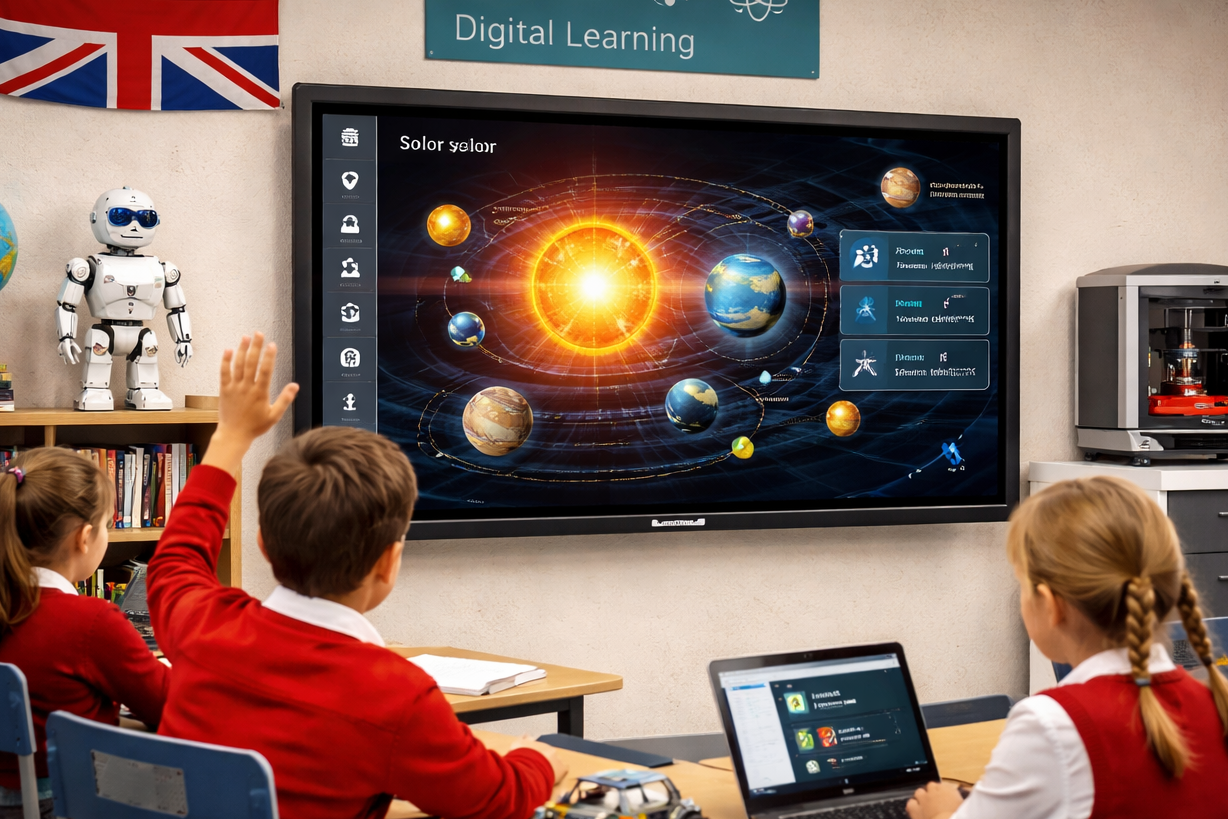
Why More Parents Consider Tech When Picking Schools
Introduction to the Changing Priorities in School Selection
In recent years, the landscape of school selection has undergone a significant transformation as parents increasingly weigh new factors in their decision-making process. Traditionally, elements such as academic reputation, extracurricular offerings, and location dominated conversations around choosing the right educational institution. However, the digital age has ushered in a paradigm shift—technology integration has emerged as a critical consideration for families evaluating prospective schools.
This evolving priority stems from the growing recognition that digital literacy is no longer optional; it is essential for success in both higher education and the workforce. Parents are acutely aware that the world their children will inherit is one deeply intertwined with technology, from foundational coding skills to the adept use of collaborative digital platforms. As such, they now seek schools that do more than simply teach the basics—they want environments where technology is seamlessly woven into the fabric of learning, offering students hands-on opportunities to engage with the tools of tomorrow.
Furthermore, the recent global shift to remote and hybrid learning highlighted disparities in technological readiness among schools, prompting parents to scrutinize how institutions support digital access, innovative teaching methods, and student engagement online. The result is a new hierarchy of priorities, where a forward-thinking approach to technology stands alongside, or even above, traditional academic metrics. As we delve deeper into this trend, it becomes clear that technology’s role in education is not just a fleeting consideration but a cornerstone of future-ready learning environments.
The Rising Influence of Technology in Education
In recent years, the landscape of education has been dramatically reshaped by the rapid integration of technology into classrooms and learning environments. More than ever, parents are attuned to how schools leverage digital tools, interactive platforms, and advanced software to enrich the educational experience. The influence of technology in education is no longer a fleeting trend; it has become a foundational element that drives both teaching methods and student engagement.
One of the most compelling factors behind this shift is the way technology supports personalized learning. Digital platforms enable teachers to tailor lessons to individual students’ needs, strengths, and learning paces. Tools such as adaptive learning software and online assessments provide instant feedback, allowing for real-time adjustments that foster deeper understanding. For parents, this means their children are more likely to receive a customized education that addresses specific learning gaps and cultivates unique talents.
Moreover, the integration of technology in education extends beyond academic outcomes. Modern classrooms equipped with smart boards, tablets, and collaborative online spaces encourage students to develop essential 21st-century skills—such as critical thinking, digital literacy, and problem-solving. These competencies are highly valued in today’s workforce, making tech-savvy schools especially appealing to parents who want their children to be future-ready.
As technology continues to evolve, its role in shaping dynamic, accessible, and innovative learning environments will only grow. This trend underscores why parents increasingly prioritize technological resources when choosing the right school for their children, setting the stage for a new era in education.
How Parents Evaluate School Tech Offerings
In today’s educational landscape, technology is no longer a mere add-on—it has become a core consideration for parents when choosing the right school for their children. Savvy families now scrutinize not just academic rankings or extracurricular options, but also the sophistication and scope of a school’s technology offerings. This shift reflects a broader understanding that digital literacy and access to cutting-edge tools are essential for preparing students to thrive in a rapidly evolving world.
Parents typically begin their evaluation by examining the hardware and software available within classrooms. They look for up-to-date computers, tablets, and interactive whiteboards, ensuring that these resources are integrated meaningfully into daily lessons. Furthermore, the presence of secure, high-speed internet across the campus signals a school’s commitment to seamless digital learning. Beyond equipment, families investigate the curriculum to determine whether technology is woven into teaching methods—such as coding classes, digital collaboration projects, or STEM-focused programs.
Key Factors Parents Consider
- Access: Are devices available for all students, or is there a one-to-one technology initiative?
- Teacher Training: Do educators receive ongoing professional development in educational technology?
- Digital Safety: What protocols are in place for online privacy, cybersecurity, and responsible use?
As families compare schools, these technology criteria often serve as decision-makers, reflecting a desire for environments that foster innovation and adapt to future challenges. This thorough evaluation sets the stage for deeper inquiries into how technology supports personalized learning and student growth.
Benefits of Advanced Technology for Student Learning
In today’s rapidly evolving educational landscape, advanced technology is no longer a luxury—it’s a cornerstone of effective learning. As digital tools become increasingly integrated into classrooms, parents are paying close attention to how schools leverage technology to enhance the educational experience. The benefits of advanced technology in student learning are both immediate and long-lasting, shaping not only academic outcomes but also preparing students for the demands of a tech-driven world.
Personalized Learning Experiences
One of the most significant advantages of modern technology is its ability to tailor educational content to individual needs. Adaptive software and interactive platforms allow students to learn at their own pace, revisit challenging concepts, and accelerate through material they master quickly. This customization fosters confidence and deeper understanding, ensuring that no student is left behind.
Collaboration and Communication
Digital tools bridge distances and bring students together, encouraging collaboration beyond traditional classroom walls. Whether through cloud-based projects, virtual classrooms, or instant messaging, technology cultivates teamwork, communication skills, and a sense of global connectivity—skills essential for future success.
Access to Rich Resources
With advanced technology, students are no longer limited to textbooks. They can access a vast array of multimedia resources, educational games, simulations, and real-time data. This abundance of information not only makes learning more engaging but also encourages curiosity and independent exploration.
Ultimately, schools that embrace advanced technology empower their students with the tools and skills needed to thrive in an increasingly digital world. For parents, the presence of such technology is a clear indicator of a school’s commitment to providing the best possible education.
Future Trends Driving Tech-Focused School Decisions
In an era where innovation shapes nearly every aspect of daily life, parents are increasingly prioritizing technology integration when choosing schools for their children. This shift reflects a broader acknowledgment that digital literacy is no longer optional—it’s essential for success in the modern world. The rapid evolution of educational technology, from interactive whiteboards to sophisticated coding labs, has transformed classrooms into dynamic learning environments. As a result, parents are seeking schools that not only keep pace with these advancements but actively leverage them to prepare students for future challenges.
Preparing for Tomorrow’s Careers
The workforce of tomorrow will demand skills that extend far beyond traditional academics. Emerging industries, driven by artificial intelligence, robotics, and data science, require a strong foundation in STEM fields. Parents recognize that tech-focused schools offer unique opportunities for students to explore these disciplines early on, developing critical thinking, problem-solving abilities, and adaptability. By immersing children in environments where technology is seamlessly woven into the curriculum, schools are better equipped to foster the innovators, engineers, and entrepreneurs of the future.
Responding to Global Educational Trends
Globally, there is a growing emphasis on digital learning tools and personalized education. Adaptive software, virtual reality experiences, and collaborative online platforms are rapidly becoming standard in forward-thinking institutions. Parents are attuned to these trends, understanding that access to cutting-edge technology can enhance engagement, facilitate individualized learning, and provide a competitive edge. This awareness is a driving force behind the rising demand for tech-savvy schools, positioning students to thrive in an increasingly interconnected and digital world.