
Web & Content Filtering
Introduction to Web Content Filtering for Modern Businesses
In today’s hyper-connected digital landscape, businesses of all sizes face an unprecedented influx of online threats and distractions. As employees rely on web resources for research, collaboration, and communication, organizations must strike a delicate balance between enabling productivity and safeguarding their networks. This is where web content filtering emerges as a critical strategy for modern enterprises.
Web content filtering refers to the process of controlling and monitoring the types of content accessed across company networks. By leveraging sophisticated software or hardware solutions, businesses can restrict access to potentially harmful, inappropriate, or non-work-related websites. These filters use predefined categories, real-time site analysis, and custom policies to ensure that only approved content is accessible during business hours.
Implementing web content filtering does more than just block distractions like social media or streaming platforms. It plays a vital role in reducing cyber security risks such as malware, phishing attacks, and data breaches, which can easily be triggered by a single careless click. Moreover, content filtering helps organizations comply with industry regulations, protect sensitive information, and maintain a professional online environment for all users.
As digital threats continue to evolve, web content filtering stands out as an indispensable tool in the modern business arsenal. By proactively managing web access, companies can foster a secure, focused, and compliant workplace—creating the foundation for sustainable growth and innovation.
Common Challenges Faced by Organisations in Managing Web Access
As digital transformation accelerates, organisations are increasingly reliant on web-based resources to drive productivity, collaboration, and innovation. However, this dependence also brings a host of challenges in managing web access across diverse user groups and devices. Navigating these complexities requires a nuanced approach that balances security, compliance, and user experience.
Balancing Security with Productivity
One of the primary challenges is maintaining robust security protocols without impeding workflow. Blocking access to malicious or inappropriate websites is critical to safeguard sensitive data and prevent cyber threats. Yet, overly restrictive measures can frustrate employees, disrupt legitimate business activities, and diminish overall efficiency. Striking the right balance between protection and productivity is a delicate task that demands continuous monitoring and adjustment.
Addressing Diverse User Needs and Behaviours
Modern enterprises comprise a wide array of users, from remote workers and contractors to in-office staff, each with unique browsing requirements. Implementing a one-size-fits-all web filtering policy often leads to gaps in coverage or excessive restrictions. Customising access controls to accommodate different departments, job roles, and user behaviors adds another layer of complexity to web management strategies.
Ensuring Compliance and Regulatory Adherence
Compliance with industry regulations and internal policies is non-negotiable, especially in sectors like finance, healthcare, and education. Organisations must demonstrate that web access is controlled and monitored to satisfy legal requirements and avoid costly penalties. Keeping pace with evolving compliance standards, while maintaining transparency and auditability, remains a persistent challenge.
Effectively addressing these obstacles is essential for organisations aiming to foster a secure, compliant, and productive digital environment. The next section explores how advanced web and content filtering solutions can help overcome these common hurdles.
How Cisco Umbrella Provides a Comprehensive Web Content Filtering Solution
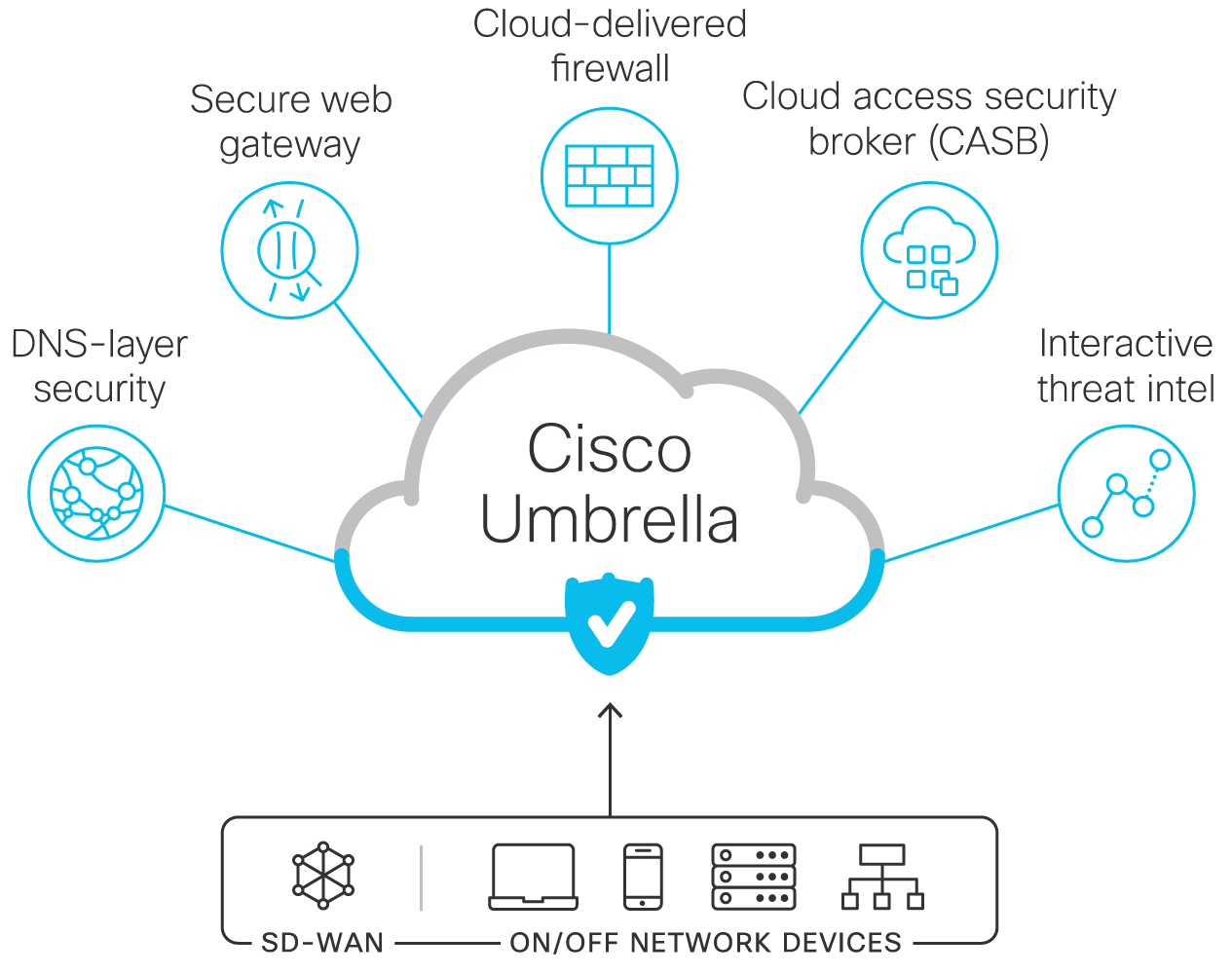
Cisco Umbrella stands out as a robust web content filtering solution designed to protect organizations from a broad spectrum of online threats while enforcing acceptable use policies. Leveraging a cloud-based architecture, Cisco Umbrella delivers security at the DNS and IP layers, effectively blocking access to malicious, inappropriate, or non-compliant websites before a connection is ever established. This proactive approach ensures that threats are neutralized at the earliest possible point, reducing potential risks and minimizing the attack surface.
One of the key strengths of Cisco Umbrella is its expansive intelligence, which is powered by real-time analysis of internet activity across millions of global users. This extensive visibility enables Umbrella to categorize domains and URLs accurately, allowing administrators to implement granular content filtering controls. Organizations can tailor their web usage policies by blocking or allowing specific content categories, such as social media, adult content, streaming services, or gambling sites, ensuring compliance with industry regulations and organizational standards.
Custom Policies and Centralized Management
- Flexible Policy Creation: Administrators can define policies by user, group, device, or network, ensuring content controls adapt to varied needs.
- Centralized Dashboard: A unified management console streamlines the process of monitoring activities, generating detailed reports, and adjusting rules as threats evolve.
- Seamless Integration: Cisco Umbrella integrates with existing security stacks, enhancing overall cyber security posture without adding complexity.
Through its layered defense, visibility, and adaptability, Cisco Umbrella provides a comprehensive web content filtering solution that empowers organizations to safeguard digital assets, boost productivity, and maintain regulatory compliance with confidence.
Key Features That Set Cisco Umbrella Apart from Competitors
Cisco Umbrella distinguishes itself in the crowded field of web and content filtering solutions through a suite of advanced features engineered for superior protection, simplicity, and scalability. Organizations seeking an edge in cyber security benefit not only from Cisco’s longstanding reputation but also from the platform’s innovative, cloud-delivered approach that outpaces many traditional solutions.
Comprehensive Threat Intelligence
At the core of Cisco Umbrella’s effectiveness is its integration with one of the industry’s largest threat intelligence databases. Drawing on data from Cisco Talos, Umbrella leverages real-time analysis of billions of daily internet activities to identify and block malicious domains, IPs, and URLs before threats can reach users. This proactive stance ensures that organizations stay ahead of emerging risks, including zero-day attacks and sophisticated phishing campaigns.
Seamless Deployment and Management
Cisco Umbrella is designed for rapid deployment with minimal impact on existing infrastructure. Its cloud-native architecture eliminates the need for complex on-premises hardware, enabling organizations to extend robust web filtering across distributed workforces, including remote and mobile users. Centralized dashboards and granular policy controls empower administrators to tailor content filtering and enforce compliance effortlessly, regardless of user location.
Scalable, Integrated Security
Unlike many competitors, Cisco Umbrella integrates seamlessly with broader security ecosystems, supporting API-based connections with endpoint protection, firewalls, and SIEM tools. This interoperability ensures that threat detection and response are unified and scalable, adapting as organizational needs evolve.
With these key features, Cisco Umbrella sets a new standard in web and content filtering, paving the way for organizations to safeguard users and data in an increasingly complex digital landscape.
Benefits of Implementing Cisco Umbrella for Your Business
Integrating Cisco Umbrella into your company’s cybersecurity framework delivers a multitude of strategic advantages, empowering organizations to stay ahead of modern cyber threats while streamlining network management. As a cloud-delivered security solution, Cisco Umbrella provides a robust first line of defense, harnessing the power of DNS-layer protection to block malicious activity before it ever reaches your network or endpoints.
Among the primary benefits is comprehensive web and content filtering. Cisco Umbrella enables businesses to control access to inappropriate, harmful, or productivity-draining websites, reducing the risk of malware infections and data breaches. It also helps enforce acceptable use policies seamlessly, ensuring employees remain focused on business-critical tasks and adhere to corporate standards.
Key Advantages for Modern Enterprises
- Proactive Threat Prevention: By analyzing and blocking requests to suspicious domains in real time, Cisco Umbrella stops phishing, ransomware, and command-and-control callbacks at the earliest stage.
- Simplified Management: With its intuitive dashboard and centralized reporting, IT teams can quickly deploy policies, monitor activity, and respond to threats—no matter where users are located.
- Scalability and Flexibility: As a cloud-based solution, Cisco Umbrella easily scales with your business, providing consistent protection for on-premises, remote, and mobile users alike.
Ultimately, adopting Cisco Umbrella fortifies your organization’s security posture, enhances productivity, and delivers peace of mind in an increasingly dynamic threat landscape.